Chokepoints: The Five Crossings Where Iraq's Borders Become Battle Lines
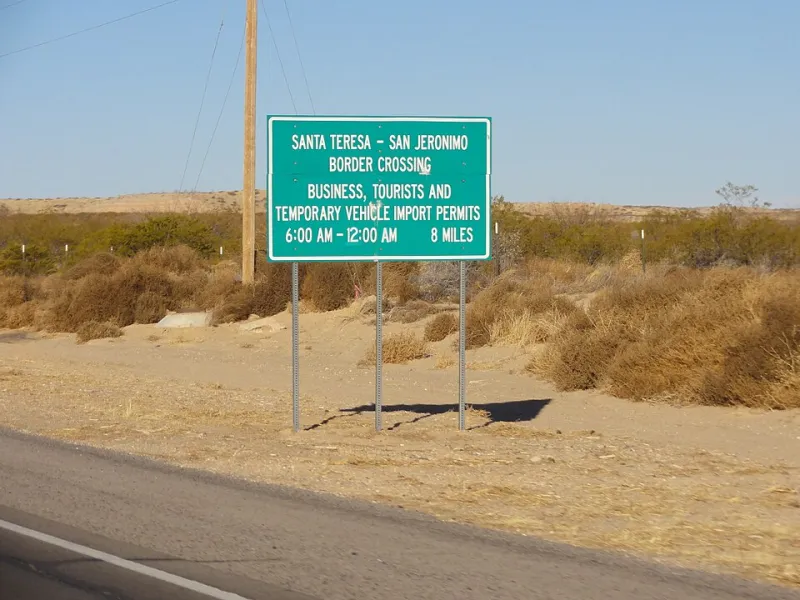
Photo: Denver Gingerich from New York City, United States of America, CC BY-SA 2.0, via Wikimedia Commons
Wars in the Middle East rarely begin at borders—but they are almost always supplied through them. Iraq, wedged between Iran, Syria, Turkey, Jordan, and Saudi Arabia, sits at the center of a web of crossings that function simultaneously as trade arteries, smuggling corridors, and instruments of leverage. Five of them deserve a place on every American briefing book.
1. Al-Qaim: The Syrian Gateway
Where the Euphrates meets the Syrian frontier, al-Qaim has been a conduit for everything from ISIS fighters to Iranian-linked logistics moving toward the Levant. Whoever controls this crossing controls the western approaches to the Euphrates valley. US forces struck targets near it repeatedly; the question of who patrols it today is a question about the durability of the anti-ISIS campaign.
2. Rabia: The Nineveh Flashpoint
North of al-Qaim, the Rabia crossing links Mosul's hinterland to Syria's northeast—the zone where US troops, Kurdish-led forces, and Turkish interests all intersect. Arms, oil products, and fighters have all flowed through Rabia at various points in the last decade, making it a bellwether for instability in western Iraq.
3. Ibrahim Khalil: The Turkish Valve
The Kurdistan Region's main crossing into Turkey handles the overwhelming share of Iraq–Turkey commerce. It is also the corridor through which Ankara projects pressure on the PKK and through which Iraqi Kurdistan's economy breathes. Any rupture here—diplomatic or military—hits Erbil long before it reaches Baghdad.
4. Al-Waleed and Trebil: The Jordanian Corridor
The crossings into Jordan carry a land-bridge trade route that Amman and Baghdad have spent years trying to expand, including the long-discussed Iraq–Jordan–Egypt economic corridor. For Washington's regional integration agenda, this is the road that matters—yet it remains hostage to customs dysfunction and security gaps along Anbar's empty quarter.
5. Arar: The Saudi Thaw, Paved
Reopened after decades of closure, the Arar crossing into Saudi Arabia is the physical expression of the Riyadh–Baghdad rapprochement. Commercial traffic is still modest, but the symbolism is enormous: a direct link between Iraq and the Gulf monarchy it fought a ruinous war against in the 1980s.
Why Crossings Matter More Than Conferences
American policy toward Iraq has often been conducted at the level of summits and statements, while the real contest—influence, revenue, and logistics—plays out at these five points on the map. Border posts are where sovereignty is tested daily: which flag flies, which militia manning the booth, which invoice gets stamped. Track the crossings, and you will usually know the direction of the next crisis before the press releases do.